
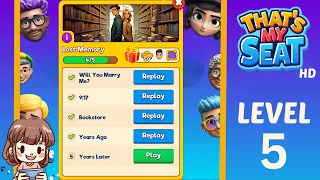
Lost Memory Level 1 Pattern Overview
The Overall Puzzle Structure
At the start of "Lost Memory," Level 1, you're presented with a small, tropical island scene. The island features a central campfire, surrounded by various footprints and obstacles. A boat is docked on the left, and a few palm trees and cacti dot the landscape. The primary objective of this level appears to be about placing the correct characters into specific locations around the island to progress the story. The gameplay centers around selecting characters from a carousel at the bottom of the screen and dragging them to their corresponding footprints or designated spots. The challenge lies in understanding who belongs where, as the dialogue provides hints but also potential misdirections. The level fundamentally tests your ability to match characters to their narrative roles and locations.
The Key Elements at a Glance
- The Island: The central game board, a tropical setting with distinct zones marked by footprints.
- Characters: A carousel of characters, each with a unique portrait, available for placement.
- Footprints: Designated spots on the island that indicate where characters should be placed. These seem to correspond to character roles or relationships within the story.
- Dialogue Box: At the bottom of the screen, this presents the narrative and provides clues for character placement.
- Hearts/Lives: Visible at the top left, these represent the player's remaining attempts or lives.
- Score/Currency: Displayed at the top, this indicates the player's in-game score or currency.
- Boosters/Gifts: These are options that can be used to help complete the level, such as extra moves or hints.
- The Boat: An area on the left where characters might arrive or depart from.
- Campfire: A central interactive element that might play a role in the story or puzzle progression.
Step-by-Step Solution for Lost Memory Level 1
Opening: The Best First Move
The most effective initial move in this level is to place Julian on the prominent footprint directly in front of the campfire. This is strongly suggested by the dialogue where Julian proposes marriage. Placing Julian here sets the scene for the central romantic interaction and simplifies the placement of Clara, who is clearly meant to be beside him. This establishes the core relationship and unlocks the next logical steps in the narrative.
Mid-Game: How the Puzzle Opens Up
After placing Julian, the next logical step is to place Clara next to him, in the footprint opposite the campfire. This completes the central couple. The game then encourages you to consider other characters based on the dialogue. For example, Burke is described as filming, so placing him near a suitable location where he might be filming makes sense. Similarly, characters associated with activities like rowing or photography should be placed in environments that fit their descriptions. The key is to read the dialogue carefully and match the character's described action or role to the available spots on the island. As you place characters correctly, the narrative progresses, and new dialogue options appear, offering further clues.
End-Game: Final Cleanup and Completion
As the level progresses, you'll be placing the remaining characters. The trickiest part often involves characters whose roles are less explicitly defined or whose placements might seem ambiguous. For instance, spotting the skeleton and volleyball hints at a specific interaction, and placing the character mentioned in that context (Tom) correctly resolves that segment. The final placements will often tie up loose ends in the narrative, bringing all characters to their designated spots to conclude the story beat for this level. The "Well Done!" screen indicates successful completion after all characters are placed.
Why Lost Memory Level 1 Feels So Tricky
Misinterpreting Character Roles
Players often misread the character placements because the descriptions can be a bit poetic or open to interpretation. For example, a character might be described as "loving nature" without a clear indication of where on the island they should be. The key to solving this is to look for the most direct clues. If a character is described as filming, look for a spot that seems like a good vantage point or where filming might logically occur. If someone is described as having a specific hobby or action (like rowing), match that to the environmental elements available. The visual detail of their portrait often matches their personality or role.
The Ambiguity of Footprint Purpose
The footprints themselves can be confusing. Are they assigned to specific characters, or do they represent general locations? The solution is to treat them as specific destinations for certain characters. Initially, the main footprints around the campfire are the most important. As you progress, the smaller footprints scattered across the island represent more nuanced placements. The game designers use these footprints as visual cues for where each character fits into the unfolding story. Pay attention to the context of the dialogue immediately preceding the placement.
The Impact of Dialogue Nuance
The dialogue can sometimes feel like flavor text, but it's crucial for solving the puzzle. Players might skim over sentences that seem unimportant. However, even seemingly small details can be direct hints. For instance, a character mentioning fear or excitement related to a specific situation or location is a direct clue. The solution lies in meticulously reading each line of dialogue and considering how it might relate to the characters and their positions on the island. If a character is described as being afraid of the water, they shouldn't be placed near the boat or the edge of the island.
The Logic Behind This Lost Memory Level 1 Solution
From the Biggest Clue to the Smallest Detail
The core logic of this level is to start with the most obvious character placements and then work towards the more subtle ones. The central romantic interaction between Julian and Clara is the most prominent, so addressing that first provides a solid foundation. Once the central characters are placed, you can use the dialogue to deduce the roles of the others. Characters with specific actions (filming, rowing, photography) or strong emotional connections to certain elements (fear of water, admiration for nature) become easier to place. The footprints act as placeholders for these character roles. The pattern is: establish the core, then use narrative clues to fill in the periphery.
The Reusable Rule for Similar Levels
The rule that applies here is to prioritize the most prominent and narratively significant elements first. In story-driven puzzle games like "That's My Seat," the core relationships and central events usually dictate the initial placements. Once these are established, the remaining elements become clearer. Always read the dialogue carefully, looking for explicit actions or strong character traits that can be matched to visual cues on the game board. If a character is described doing something specific, look for the environment that best represents that action. This systematic approach, moving from the obvious to the subtle, is a reliable strategy for many similar puzzle levels.
FAQ
How do I know where to place the first characters in Lost Memory Level 1?
Look for the most prominent narrative clue at the beginning of the level, which usually involves the main characters. In this case, the dialogue about marriage points directly to Julian and Clara's placement near the campfire.
What if I'm stuck on where to place a character?
Re-read the dialogue associated with that character and the surrounding environment. Look for descriptions of their actions, hobbies, or emotional states. Match these descriptions to the available spots and any relevant visual cues on the island.
Are the footprints always for specific characters?
Yes, the footprints are designed to indicate the correct placement for specific characters that are part of the story for that level. They represent the character's narrative role or their position within the scene being depicted.